Understanding ISI Certification for Electrical Products
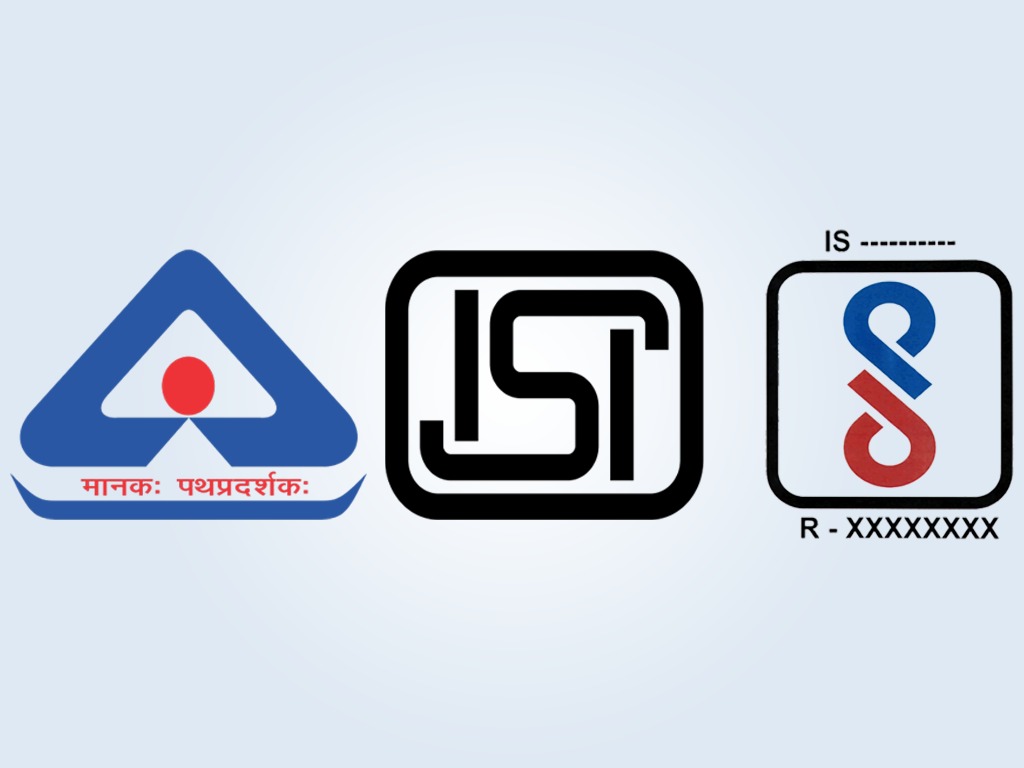
Understanding ISI Certification for Electrical Products in 2026: A Complete Guide Welcome to the PNM blog, Ravindra! As a trusted manufacturer of high-quality PVC electrical conduit pipes and accessories based in Bhusawal, Maharashtra, PNM (Dynamics Multipro) is dedicated to delivering safe and reliable solutions for your electrical needs. Whether you’re a homeowner in Nagpur upgrading your wiring or a contractor handling projects across India, understanding ISI certification for electrical products is essential in 2026. This certification ensures that products meet stringent safety and quality standards, protecting you from hazards. In this guide, we’ll break down what ISI certification is, why it matters, how to spot genuine ISI-marked products, and PNM’s unwavering commitment to these standards. We’ll also touch on how our ISI-certified conduits compare to competitors like Pressfit India (pressfitindia.com), helping you make informed choices for safer installations. What is ISI Certification? ISI certification, often referred to as the ISI mark, is a standards-compliance certification issued by the Bureau of Indian Standards (BIS), India’s national standards body established under the BIS Act 2016. The mark certifies that a product conforms to specific Indian Standards (IS) for quality, safety, and performance. Originally introduced in 1950, ISI stands for Indian Standards Institution, but it’s now managed by BIS. For electrical products, ISI certification is crucial as it covers items like switches, wiring cables, electric motors, heaters, kitchen appliances, and conduits. It’s part of BIS’s Product Certification Scheme (Scheme-I), where products undergo rigorous testing and factory inspections. While voluntary for many items, it’s mandatory for over 90 products, including household electrical goods like electric irons, immersion heaters, cables, switches, and LED lights, to ensure they can be legally manufactured, imported, or sold in India. Non-compliance can lead to fines, product seizures, or legal actions. In 2026, updates like the Safety of Household, Commercial and Similar Electrical Appliances (Quality Control) Order, 2025, have expanded mandatory compliance to more categories, effective from March 2026 for larger enterprises, with extensions for smaller ones. This includes appliances up to 250V single-phase, emphasizing safety in an era of increasing smart home integrations. Why ISI Certification Matters for Electrical Products ISI certification is more than a label—it’s a safeguard for consumers, manufacturers, and the environment. Here’s why it matters: Consumer Safety: Electrical products without proper certification pose risks like electric shocks, overheating, or fires. ISI ensures products meet safety standards, reducing accidents. For instance, certified wiring and conduits prevent short circuits in humid Maharashtra climates. Quality Assurance: It guarantees reliability and performance, protecting against substandard imports. Mandatory for items like electrical cables and appliances, it promotes fair trade and prevents deceptive practices. Legal Compliance: Selling uncertified mandatory products is illegal, leading to penalties. In public interest sectors like health and safety, it’s enforced by the government. Market Trust and Competitiveness: For manufacturers, the ISI mark builds customer confidence and opens government tenders. In 2026, with rising awareness in cities like Nagpur, certified products like PNM’s PVC conduits are preferred for their proven durability. Without ISI, faulty products could cause widespread issues—think of uncertified heaters causing fires. BIS’s role in standardization ensures India’s electrical market remains safe and competitive. How to Identify Genuine ISI Products Spotting fake ISI marks is key to avoiding risks. Here’s a step-by-step guide: Look for the ISI Mark: Genuine products display the ISI symbol prominently on the item and packaging. It should include the standard number (e.g., IS:9537 for conduits) and a license number (CM/L- followed by digits). Verify Online: Use BIS’s official portal at https://www.manakonline.in/ to check the license validity by entering the CM/L number or product details. This confirms authenticity. Check for Holograms and Details: Authentic marks often include security features like holograms. Ensure the product matches the certified category—e.g., electrical conduits should reference relevant IS standards. Buy from Reputable Sources: Purchase from authorized dealers. For PNM products, visit pesofit.in Counterfeits are common, so always cross-verify. BIS conducts market surveillance to weed out fakes, but consumer vigilance is crucial. PNM’s Commitment to ISI Standards At PNM, we go beyond compliance—ISI certification is at the heart of our operations. Our PVC electrical conduit pipes are ISI-marked under IS:9537 Part 3, ensuring they meet high standards for mechanical strength, fire retardancy, and durability. Whether LMS, MMS, or HMS variants, our products are rigorously tested for Indian conditions, from Nagpur’s monsoons to industrial setups. Unlike some competitors, PNM offers both ISI-certified and non-ISI options for flexibility, but we prioritize certification for safety-critical applications. Compared to Pressfit India, which also provides compliant products, PNM stands out with our focus on eco-friendly manufacturing and customized accessories, all while maintaining affordability. Our commitment includes regular factory audits, sustainable practices, and customer education through blogs like this. Choose PNM for peace of mind—visit pesofit.in to explore our certified range and contact us for Nagpur-specific advice. Conclusion: Empower Your Choices with ISI Knowledge In 2026, understanding ISI certification for electrical products empowers you to prioritize safety and quality. From protecting your home to ensuring compliance, ISI is indispensable. Trust PNM for ISI-certified solutions that deliver reliability every time. For more insights on electrical safety in Maharashtra, subscribe to our blog!
Top 10 Electrical Safety Tips for Home Wiring
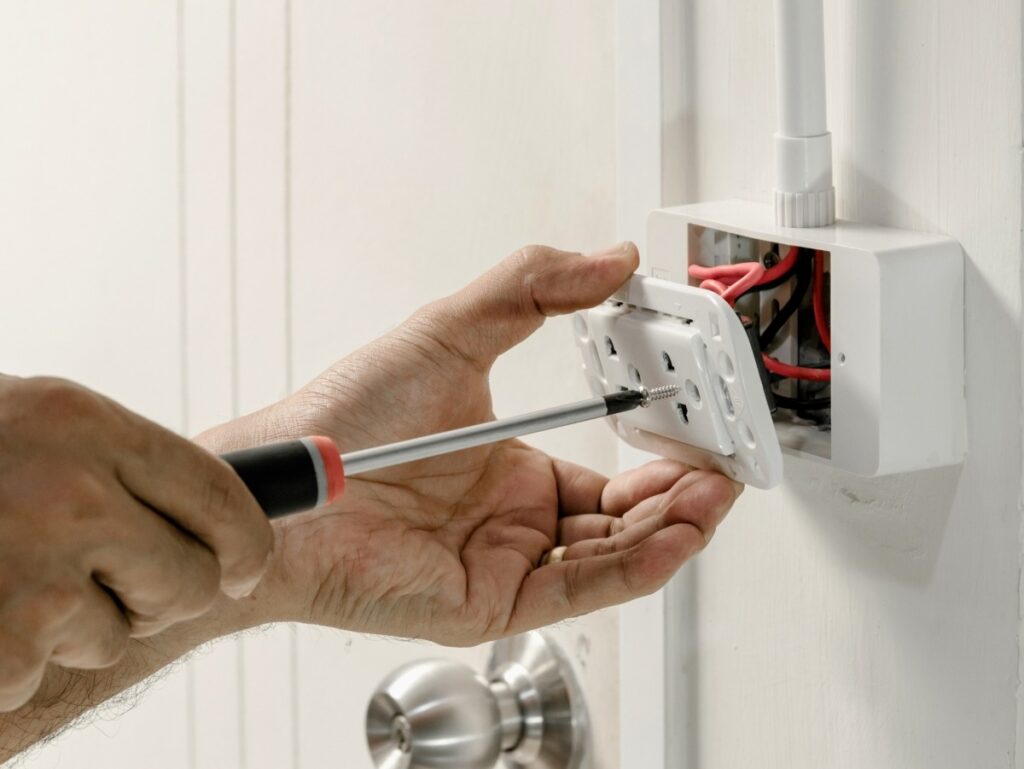
Top 10 Electrical Safety Tips for Home Wiring in 2026 Welcome to the PNM blog! As a leading manufacturer of high-quality PVC electrical conduit pipes and accessories in Bhusawal, Maharashtra, PNM (Dynamics Multipro) is dedicated to promoting safe and reliable electrical solutions for homes across India. With electrical accidents causing thousands of injuries and fires each year, prioritizing home wiring safety is more crucial than ever in 2026. Whether you’re a homeowner in Nagpur or elsewhere, following these top 10 electrical safety tips can prevent hazards, protect your family, and ensure long-term efficiency. In this guide, we’ll cover essential practices, from the importance of proper conduit systems to avoiding common pitfalls. We’ll also highlight how PNM’s ISI-certified PVC conduits outperform competitors like Pressfit India (pressfitindia.com) in delivering durable protection. Let’s get started on making your home safer! Why Electrical Safety Matters in Home Wiring Faulty wiring is a leading cause of residential fires, often due to outdated systems, DIY errors, or neglect. By adopting these electrical safety tips for home wiring, you can reduce risks, comply with Indian standards like BIS, and extend the life of your electrical setup. PNM’s commitment to quality ensures our products support these practices, helping you achieve peace of mind. Top 10 Electrical Safety Tips for Home Wiring Emphasize the Importance of Proper Conduit Systems A robust conduit system is the backbone of safe home wiring. PVC conduit pipes protect wires from damage, moisture, and pests, preventing short circuits and fires. Always choose high-quality, ISI-marked conduits that meet IS:9537 standards for mechanical strength (LMS, MMS, or HMS based on your needs). At PNM, our PVC conduits offer superior corrosion resistance and easy installation, ideal for Indian homes. Compared to Pressfit India’s options, PNM provides both ISI and non-ISI variants for flexibility, ensuring better value without compromising safety. Install conduits properly to enclose all exposed wiring—it’s a simple step that saves lives. Avoid Overloading Circuits Overloading occurs when too many appliances draw power from one circuit, leading to overheating and potential fires. Check your circuit breaker’s amp rating and distribute loads evenly—never exceed 80% capacity. Use extension cords sparingly and opt for surge protectors. PNM’s durable wiring accessories help manage loads efficiently. Unlike some competitors, our products are designed for high-performance homes, reducing overload risks in modern setups with smart devices. Conduct Regular Maintenance Checks Routine inspections catch issues early, like frayed wires or loose connections. Schedule annual checks: inspect outlets for warmth, test GFCIs, and clean dust from panels. PNM recommends using our maintenance-friendly PVC conduits, which resist wear and make inspections easier. Pressfit offers similar maintenance tips, but PNM’s eco-friendly materials ensure longevity, minimizing the need for frequent replacements. Prioritize Professional Installation DIY wiring might seem cost-effective, but it often leads to code violations and hazards. Always hire licensed electricians for installations or upgrades—they ensure compliance with local regulations. PNM supports professionals with our range of fittings and boxes, making jobs quicker and safer. While Pressfit emphasizes DIY-friendly products, PNM stresses expert involvement for complex tasks, aligning with safety best practices. Install GFCI Outlets in Wet Areas Ground Fault Circuit Interrupters (GFCIs) detect imbalances and cut power instantly, preventing shocks in bathrooms, kitchens, and outdoors. Replace standard outlets with GFCIs where water is present. Integrate them with PNM’s waterproof conduit systems for added protection. This tip is non-negotiable in 2026’s humid climates, outperforming basic setups from other brands. Keep Electrical Cords in Good Condition Damaged cords with exposed wires or cracks are fire starters. Inspect regularly, avoid pinching under furniture, and replace immediately if worn. PNM’s conduit pipes shield cords from daily wear, extending their life. Compared to Pressfit’s flexible options, our rigid designs provide better long-term safeguarding. Label Your Circuit Breaker Panel Clear labeling helps quickly identify and shut off circuits during emergencies. Update labels after any changes to your wiring. This simple habit complements PNM’s organized accessory kits, making home management effortless. It’s a tip often overlooked but vital for safety. Use Surge Protectors for Electronics Power surges from lightning or fluctuations can fry devices. Install whole-house surge protection or use strips for sensitive equipment. PNM’s conduits integrate seamlessly with surge systems, offering robust defense. Pressfit has comparable features, but PNM’s ISI certification ensures reliable performance. Install and Maintain Smoke Detectors Interconnected smoke alarms wired through safe conduits alert you to fires early. Test monthly, replace batteries yearly, and upgrade every 10 years. PNM’s fire-retardant PVC pipes enhance this by containing flames. This integration sets us apart, providing comprehensive safety. Educate Your Family on Electrical Hazards Teach everyone about dangers like wet hands near outlets or yanking plugs by the cord. Foster habits like unplugging unused devices. PNM’s blog and resources, available at pesofit.in, support family education with easy-to-understand guides, going beyond what competitors like Pressfit offer. How PNM Enhances Your Home Wiring Safety Choosing PNM means investing in top-tier PVC electrical conduit pipes that align with these tips. Our products are engineered for Indian conditions, with features like UV resistance and easy bending. When comparing PNM vs Pressfit India, PNM excels in customization and affordability, making us the preferred brand for safe home wiring. Conclusion: Stay Safe with Smart Electrical Practices Implementing these top 10 electrical safety tips for home wiring can transform your home into a secure haven. From proper conduit systems to professional help, prevention is key. Visit pesofit.in to explore our range or contact us for advice tailored to Maharashtra homes. For more on home electrical safety, subscribe to our updates!
Complete Guide to Choosing the Right PVC Conduit Pipe
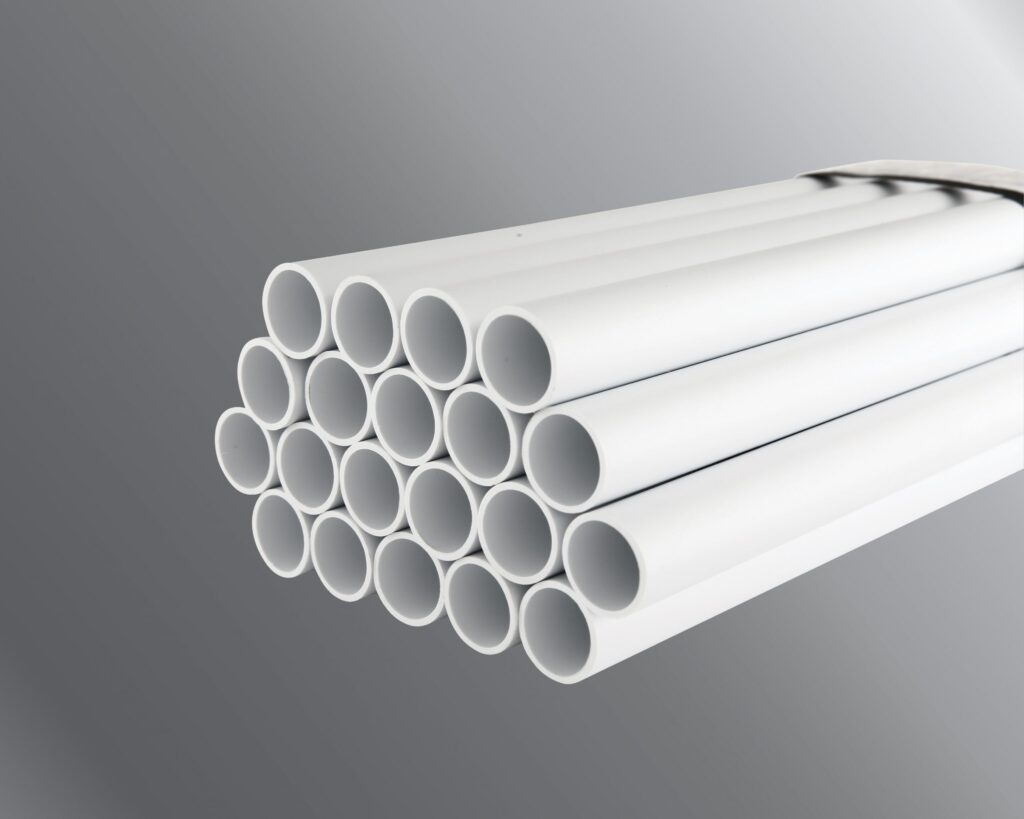
Ultimate Guide to Choosing the Best PVC Conduit Pipe in 2026 Welcome to the PNM blog! If you’re searching for the best PVC conduit pipe for your electrical projects, you’ve come to the right place. As a premier manufacturer of high-quality PVC electrical conduit pipes and accessories in Bhusawal, Maharashtra, PNM (Dynamics Multipro) delivers reliable, durable solutions tailored for homeowners, electricians, and contractors. In this comprehensive guide, we’ll help you navigate the process of choosing the right PVC conduit pipe, covering key factors, types, installation tips. Whether you’re upgrading residential wiring or tackling industrial installations, our insights will ensure safety, efficiency, and compliance. Optimized for your needs in 2026, this guide incorporates the latest standards in PVC conduit technology, helping you make an informed decision. Let’s dive in! Understanding PVC Conduit Pipes: What They Are and Why They Matter PVC conduit pipes are essential protective tubes designed to shield electrical wires from damage, moisture, corrosion, and fire risks. Made from durable Polyvinyl Chloride (PVC), these pipes are lightweight, non-conductive, and rust-resistant, outperforming traditional metal conduits in many applications. Ideal for residential, commercial, and industrial use, they ensure long-lasting protection while simplifying installation. At PNM, our PVC electrical conduit pipes are crafted with precision to meet rigorous quality benchmarks, providing superior performance for all your wiring needs. If you’re comparing options, but PNM stands out with our focus on customization and reliability. Top Factors to Consider When Selecting PVC Conduit Pipes To choose the best PVC conduit pipe for your project, evaluate these critical elements. This ensures optimal safety and longevity. Mechanical Strength and Classification PVC conduits are categorized by their strength to handle impacts: Light Mechanical Strength (LMS): Perfect for low-risk areas like surface-mounted home wiring. Medium Mechanical Strength (MMS): Suitable for standard indoor setups requiring moderate durability. Heavy Mechanical Strength (HMS): Essential for tough environments, including underground or industrial applications. PNM provides both ISI-certified and non-ISI PVC conduit pipes, offering flexibility for certified projects or cost-effective alternatives but PNM’s extensive testing guarantees unmatched strength across all categories. Size, Dimensions, and Capacity PVC conduit pipe sizes typically range from 16mm to 50mm in diameter, with standard lengths of 3 meters. Select based on wire count—use a conduit fill chart to prevent overcrowding and overheating. For instance, a 20mm pipe works well for lighting circuits, while 32mm handles heavier loads. Our PNM pipes come in versatile sizes, paired with compatible fittings for seamless integration. Compliance with Standards Prioritize pipes adhering to IS:9537 Part 3 (BIS) standards for assured quality. ISI-marked options provide verified safety and durability. PNM’s ISI-certified conduits excel here, ideal for compliance-driven projects. Material Properties and Advantages Key benefits of high-quality PVC conduit pipes include: Corrosion Resistance: Ideal for humid or outdoor settings. Fire Retardancy: FRLS variants reduce smoke and flame risks. Ease of Installation: Flexible designs with spring-bending options. Cost Savings: Lightweight material lowers labor and transport expenses. PNM conduits feature smooth interiors for effortless wire pulling and robust construction for environmental resilience. PNM offers a wider selection, including budget-friendly non-ISI pipes. Application-Specific Needs Indoor Use: Opt for lighter LMS or MMS for walls and ceilings. Outdoor/Underground: Choose HMS with UV protection. Corrosive Environments: PVC’s inherent resistance is a game-changer. PNM’s versatile PVC conduit pipes cater to diverse applications, ensuring peak performance. Exploring Types of PVC Conduit Pipes Different types suit various requirements: Rigid PVC Conduit (Schedule 40/80): Standard choice for most electrical work, offering excellent impact resistance. Flexible PVC Conduit: Great for curved installations, though less common in fixed setups. LSZH (Low Smoke Zero Halogen): For spaces needing low toxic emissions. Compare them easily in this table: Type Strength Level Ideal Applications Recommended Brands LMS Light Residential surface wiring PNM ISI MMS Medium General indoor electrical PNM ISI HMS Heavy Industrial/underground PNM ISI Visualize real-world setups with these examples of PVC electrical conduit pipes in action: Why PNM is the Best Choice for PVC Conduit Pipes in India Searching for the top PVC conduit pipe brand? PNM leads with premium materials, stringent quality controls, and BIS compliance. Benefits include: Superior Durability: Withstands impacts, chemicals, and weather. Comprehensive Accessories: Fittings, boxes, and couplers for easy assembly. Affordable Options: ISI and non-ISI variants to fit any budget. Eco-Friendly Practices: Sustainable manufacturing for a greener future. Step-by-Step Installation Guide for PVC Conduit Pipes Proper installation maximizes safety and efficiency: Measure and Cut: Use a hacksaw for accurate sizing and deburr for smooth edges. Bend as Needed: Apply heat or use benders for curves. Secure Joints: Use PVC cement for watertight connections. Mount Properly: Fix with clips every 1-2 meters. Pull Wires: Keep conduits straight to avoid issues. Adhere to local codes and consult experts for complex jobs. Frequently Asked Questions About PVC Conduit Pipes What is the price of PVC conduit pipes? Prices vary by size and type; PNM offers competitive rates—check pesofit.in for quotes. How do PVC conduits compare to metal? PVC is lighter, cheaper, and corrosion-free. Are PNM pipes ISI certified? Yes, with non-ISI options available. Final Thoughts: Make the Smart Choice with PNM PVC Conduit Pipes In 2026, selecting the right PVC conduit pipe is crucial for safe electrical systems. PNM’s high-quality, compliant products outperform competitors delivering value and reliability. Explore our range at pesofit.in or contact us today for expert guidance. For more tips on electrical conduit solutions, subscribe to our blog!